Before and after Kilburn High Road furniture removals job
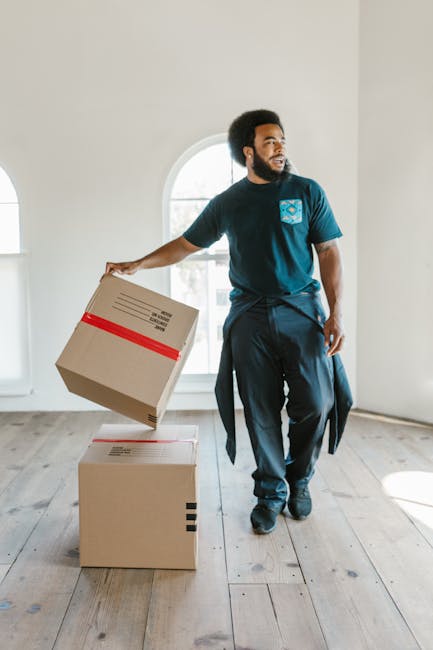
If you are planning a Before and after Kilburn High Road furniture removals job, the real challenge is often not the lifting itself. It is the before-and-after chaos: tight hallways, awkward furniture, last-minute packing, and that slightly exhausted feeling when you realise the sofa is heavier than anyone remembered. Truth be told, most furniture moves go better when the work is thought through in two phases - what happens before the van arrives, and what happens after the last item is carried in.
This guide walks you through that process in a practical, local way. You will learn why the before-and-after approach matters, how a furniture removal job usually unfolds around Kilburn High Road, what to prepare in advance, what to check once the job is done, and how to avoid the common mistakes that make a simple move feel ten times harder than it should. If you want a calmer move, fewer surprises, and a cleaner finish at both ends, you are in the right place.
Why Before and after Kilburn High Road furniture removals job Matters
A furniture removal is never just "pick things up, drive them somewhere, done." Especially in a busy London setting like Kilburn High Road, the job has a before phase and an after phase that both matter just as much as the transport itself. Before the move, you are dealing with access, sorting, protection, and planning. After the move, you are dealing with placement, checking, unpacking, and making sure the property is left tidy enough to feel finished.
That matters because furniture removals are usually where little problems become big ones. A table leg is missing. A wardrobe will not fit through the stairwell. The new flat has a narrower entrance than expected. Someone forgot to empty the drawers. Nothing dramatic, but enough to slow the day down and create avoidable stress. When you think in before-and-after terms, you reduce those little friction points before they start.
There is also a local reality to consider. Around Kilburn High Road, parking, loading space, and building access can be less forgiving than people hope. One badly timed arrival can mean carrying furniture farther than expected or waiting for a space. That is why a structured approach is not a luxury; it is the difference between a move that feels controlled and one that feels a bit scrappy.
Expert summary: the best furniture moves are won before the van arrives and finished properly after the last item is unloaded. The transport in the middle is only one part of the job.
How Before and after Kilburn High Road furniture removals job Works
At its simplest, the process has three stages: prepare, move, and settle. But in practice, each stage has smaller steps that protect your furniture and save time.
Before the move
This is where you identify what is moving, what needs dismantling, what needs wrapping, and what should be left behind. For a proper furniture removal, you would normally check access at both properties, measure larger items, and decide whether you need a furniture removals service, a smaller man and van arrangement, or something more comprehensive. If packing is involved, the right approach may also include packing and boxes support so fragile items are protected properly.
A practical before-stage checklist usually covers:
- measuring bulky items and doorways
- emptying drawers and shelves where needed
- protecting corners, glass, and polished surfaces
- labeling what stays, what goes, and what needs special care
- confirming parking or loading access
- setting aside essentials for the first night
During the move
This is the bit people picture first, although it is really just the middle. The team lifts, protects, carries, loads, and secures the furniture in the vehicle. If the move is larger or includes multiple rooms, a removal services approach often gives you more structure than trying to manage everything informally. For bigger or heavier jobs, a removal van or a larger vehicle may be more appropriate than a compact car-and-van option.
On Kilburn High Road, this stage can be affected by time of day, road activity, and lift or stair access. A good mover will work around those constraints rather than pretending they do not exist. That sounds obvious, but you would be surprised how often this part gets glossed over.
After the move
The after stage is often rushed, yet it is where a move starts to feel successful. Furniture should be positioned where you want it, protective materials removed carefully, and any damage or missing parts noted quickly. You may also need to review whether any items should go into storage for a while, especially if you are waiting on decorating, new flooring, or final room decisions.
After the job, it is worth checking:
- all agreed items arrived
- furniture is intact and functional
- doors, walls, and floors are not marked
- the old property is left clear as planned
- packaging waste is removed or sorted sensibly
Key Benefits and Practical Advantages
A good before-and-after process is not just about reducing stress, although that is a lovely side effect. It creates several practical advantages that show up immediately on moving day and again later when you are living with the result.
- Less damage risk: furniture is wrapped, padded, and handled with more care when it is planned properly.
- Faster loading and unloading: when everything is labelled and ready, the move simply flows better.
- Better use of time: no one wants to spend the morning hunting for screws or trying to remember which box has the kettle.
- Smoother access management: a planned route, parking plan, and timing window reduce delays.
- Cleaner end result: the before-and-after approach helps the old property and the new space both feel complete.
There is a more subtle benefit too. People feel more in control. That sounds soft, but it matters. When a move is organised properly, you think more clearly on the day. You make better decisions, fewer rushed decisions. And let's face it, moving day already comes with enough chaos without improvising every five minutes.
Who This Is For and When It Makes Sense
This approach makes sense for almost anyone moving furniture on or around Kilburn High Road, but it is especially useful if your move has more than one awkward factor. For example, if you are dealing with narrow staircases, expensive pieces, a flat with no lift, shared hallways, or a strict time window, the before-and-after structure quickly becomes essential rather than optional.
It is a strong fit for:
- homeowners moving one or more rooms of furniture
- tenants relocating between flats
- students moving into or out of furnished rooms
- small office teams shifting desks, chairs, and storage units
- people replacing furniture and needing old items collected too
If you are moving a single item, say a wardrobe or a dining table, you may only need a lighter service such as furniture pick up. If the move also includes home contents and multiple bulky pieces, then a broader home moves plan is usually the calmer choice.
And if you are moving from a flat, especially somewhere with tighter communal access, flat removals tend to be more appropriate than a general approach. Different move, different shape. Simple as that.
Step-by-Step Guidance
Here is a practical way to handle the whole process without overcomplicating it.
- List every furniture item. Write down what is moving, what is staying, and what is being disposed of or stored.
- Measure the large pieces. Check sofas, wardrobes, beds, desks, and table tops against doors, stairwells, and lifts.
- Decide what needs dismantling. Flat-pack furniture often comes apart easily; older or bespoke pieces may need more care.
- Book the right vehicle and support. For smaller jobs, a man with van setup may be enough. For larger loads, consider a bigger moving option.
- Prepare the furniture. Wrap surfaces, secure loose parts, and protect anything fragile.
- Clear routes. Move shoes, rugs, cables, and clutter out of the way before the crew arrives.
- Load in a sensible order. Heavy and sturdy items usually go first; delicate items need proper separation.
- Unpack or position items carefully. On arrival, place furniture room by room rather than dumping everything in one corner.
- Check the finish. Confirm the furniture is intact, the surfaces are clean, and nothing has been left behind.
A lot of people ask whether they should do all the packing themselves or bring in help. If you want the day to run more smoothly, a packing and unpacking services option can be a big relief, particularly when time is tight or you are moving a full home. It is not glamorous. But it works.
Expert Tips for Better Results
Over the years, one pattern shows up again and again: the move that looks easiest on paper is often the one that needs the most planning. A few small habits can make a big difference.
- Photograph furniture before it moves. This helps with condition checks, especially for delicate finishes or existing marks.
- Keep screws and fittings in labelled bags. Tape them to the relevant item if needed. Not elegant, but effective.
- Use soft materials for protection where possible. Blankets, wraps, and corner guards are often more practical than people expect.
- Leave a clear path at both ends. A tidy entrance saves more time than you think.
- Plan for the first hour after arrival. Put the bed, kettle, phone charger, and basic tools where you can reach them quickly. Your future self will thank you.
One little local reality: around busy stretches like Kilburn High Road, timing can matter as much as manpower. If you can avoid a peak traffic window, do it. If you cannot, build in a little buffer. Moves have a way of punishing optimism.
Also, if the furniture is especially valuable or awkward - a piano, a heavy antique cabinet, or something with sentimental value - use the proper specialist support. For those pieces, piano removals is a better model of thinking even when you are not moving a piano. The point is special handling, not the label.
Common Mistakes to Avoid
Most removal problems are boringly avoidable. That is the frustrating part. Here are the big ones.
- Underestimating access. A sofa that "should fit" often does not fit quite the way you expect once stairs and corners are involved.
- Leaving drawers full. Heavy drawers increase weight and can damage runners or make lifting unsafe.
- Forgetting to protect surfaces. A quick scrape on a polished table or wall edge is easy to create and annoying to fix.
- Packing too late. Last-minute packing usually leads to missing parts, mixed-up boxes, and a frazzled first night.
- Not separating keep, remove, and store items. It all becomes one messy pile if you do not decide early.
- Ignoring the return journey. Some people plan the removal but forget about what happens at the new place. That is half the job gone already.
One more, and it sounds minor but it is not: failing to tell the removals team about anything unusual. A narrow staircase, a parking restriction, a long carry from the entrance, a fragile inherited sideboard - these details matter. Mention them. Honestly, it saves everyone time.
Tools, Resources and Recommendations
You do not need a warehouse full of kit, but a few sensible tools make the process much easier.
| Tool or resource | What it helps with | Why it matters |
|---|---|---|
| Measuring tape | Checking item dimensions and access points | Prevents avoidable fit problems |
| Labels and marker pens | Identifying rooms, parts, and fragile items | Makes unloading far easier |
| Protective blankets or wraps | Shielding furniture during transport | Reduces scratches and dents |
| Small tool kit | Dismantling and reassembly | Useful for beds, desks, shelves, and tables |
| Contact details for your mover | Quick updates on timing or access | Prevents delays if plans change |
If you want to compare moving support options, it can help to review removals against removal companies and smaller one-vehicle solutions. For some jobs, a compact setup is fine. For others, it is better to choose a more complete service from the start.
If the move is linked to a home renovation, temporary downsizing, or staggered handover dates, storage can keep the whole process manageable. It is one of those things people ignore until they really need it.
Law, Compliance, Standards, or Best Practice
For a furniture removals job, the main compliance concerns are usually practical rather than complicated: safe lifting, safe driving, proper insurance, and clear terms. In the UK, a professional mover should be able to explain how they handle goods safely, what is covered, and what the customer should prepare. That is basic professionalism, not a bonus feature.
Best practice usually includes:
- using appropriate lifting methods and team handling for heavy items
- securing furniture properly in the vehicle
- being clear about access limits and parking assumptions
- communicating any exclusions or conditions before the job starts
- working with sensible documentation and agreed expectations
It is also sensible to review the provider's insurance and safety information before booking. That is not being fussy. It is just smart. If something is valuable, awkward, or fragile, you want to know how it is handled, not guess.
For businesses or landlords arranging repeat jobs, a structured approach helps even more. Office furniture, archive units, and shared equipment need clear responsibility, and sometimes a more formal service like office removals or commercial moves makes the process less messy from day one.
For peace of mind, it is also worth checking a company's written policies on payment, privacy, and terms. A reputable mover should make those easy to understand. No need for legal drama over a bookcase.
Options, Methods, or Comparison Table
Not every furniture move needs the same setup. The best choice depends on volume, access, urgency, and how much help you want on the day.
| Option | Best for | Strengths | Watch-outs |
|---|---|---|---|
| Man and van | Smaller furniture jobs, light moves, single-item transport | Flexible, simple, often quick to arrange | May be less suitable for larger loads |
| Removal van | Medium furniture jobs or room-by-room moves | More space, better for multiple items | Needs clear access and loading planning |
| Full removals service | Whole-home or more complex moves | More support, more structure, less stress | Usually more planning required up front |
| Storage plus removal | Staggered moves, renovations, delayed completion | Useful when dates do not line up neatly | Needs extra coordination |
For many Kilburn High Road furniture jobs, the right choice is not the biggest vehicle. It is the one that matches your actual access, timeline, and furniture list. Bigger is not automatically better. Sometimes it just means harder to park.
Case Study or Real-World Example
Here is a realistic example based on the kind of job people often book around Kilburn High Road.
A couple were moving from a third-floor flat into a nearby maisonette. They had a sofa, two beds, a dining table, several chairs, a chest of drawers, and a few boxed items. At first glance, it seemed straightforward. But the old flat had a narrow stairwell and the new place had a tighter entrance than expected. If they had just turned up and hoped for the best, the day would have become one of those move-day stories people tell later with a tired laugh.
Instead, they measured the furniture in advance, removed the bed frames early, labeled the screws, and cleared both entrances before the team arrived. They also separated one sideboard they were unsure about and arranged for it to go into storage for a few weeks while the room was redecorated. The result? The move felt organised. Not effortless - let's not overstate it - but calm enough that they were unpacking by early evening rather than still battling with bolts and bubble wrap.
The before-and-after thinking made the difference. Before: plan, measure, protect. After: place, check, settle. Very ordinary steps, but they add up.
Practical Checklist
Use this simple checklist to keep the job on track.
- Confirm exactly which furniture is moving
- Measure large items and key access points
- Decide what needs dismantling
- Clear hallways, stairs, and entrances
- Protect fragile or polished surfaces
- Label rooms, parts, and priority items
- Set aside essentials for the first day and night
- Check parking, loading, and time windows
- Review insurance and safety information
- Walk through the old and new property after the move
If you are doing a move with several layers to it - maybe a student flat, a family home, or a mixed furniture job - it may also be worth looking at student removals or house removals depending on the scale and setting. The right service is the one that matches the shape of the job, not just the label.
Conclusion
A strong Before and after Kilburn High Road furniture removals job is really about control. Control over timing, access, protection, placement, and the final finish. When you handle the before stage carefully, the move itself becomes easier. When you handle the after stage properly, the whole day feels more complete and far less frantic.
In a busy area like Kilburn High Road, where access and timing can shape the whole experience, that structure matters even more. A little planning now saves a lot of heavy lifting later - physically and mentally. And that is the honest truth of it.
When you are ready to move forward, choose the kind of support that fits your furniture, your property, and your peace of mind. Small job or larger move, the best result usually comes from steady preparation and a clean finish. It really does make a difference.
Get a free quote today and see how much you can save.
Frequently Asked Questions
What does a before and after furniture removals job mean?
It means looking at the move in two parts: preparation before the van arrives and completion after the furniture is delivered. That includes packing, access checks, protection, placement, and final inspection.
Why is this approach useful on Kilburn High Road?
Kilburn High Road can involve busy traffic, tighter loading conditions, and awkward access depending on the property. Planning both ends of the move helps reduce delays and avoid unnecessary stress.
Do I need to dismantle furniture before the movers arrive?
Not always. Some furniture can be moved as it is, but beds, wardrobes, and large tables often move more safely when partly dismantled. If you are unsure, ask in advance and keep the screws together in labelled bags.
Is a man and van enough for a furniture move?
Sometimes, yes. A smaller move with a few pieces of furniture can suit a man and van arrangement. For larger or more complicated jobs, a fuller removals service is usually better.
What should I do before the movers arrive?
Clear access routes, empty drawers where needed, label items, protect surfaces, and confirm what is going and what is staying. If you can, measure bigger furniture against doorways and stairs too.
How do I check whether my furniture will fit through the property?
Measure the widest parts of the furniture, then measure doors, hallways, stair turns, and lifts. Remember that corners can be more restrictive than a straight doorway. That is where many moves get caught out.
What should I check after the move is finished?
Check that everything agreed was delivered, that furniture is undamaged, and that no fittings or important parts are missing. It is also wise to check floors, walls, and surfaces for any marks before everyone leaves.
Is storage useful in a furniture removals job?
Yes, especially if your completion dates do not line up, you are renovating, or you do not yet know where every item should go. In those cases, storage can keep the move flexible.
How can I reduce the risk of damage?
Use protective wrapping, keep routes clear, dismantle where sensible, and make sure heavier items are handled by people who know how to move them safely. Good communication helps too - a lot more than people think.
What if I need to move old furniture out and new furniture in on the same day?
That is very doable, but it needs sequencing. Decide what leaves first, what arrives second, and where the temporary gaps will be. It is a common job type, and it is one reason a planned removals service works better than improvising.
Can I use the same service for a flat move and furniture removal?
Often yes, but the best fit depends on the amount of furniture and the building access. For a flat, flat removals may be more suitable than a generic option because it reflects the access challenges more accurately.
How do I know if a removal company is trustworthy?
Look for clear communication, sensible terms, and information about safety, insurance, and pricing. A trustworthy company should make the process feel clear rather than vague. If everything sounds fuzzy, that is usually a warning sign.