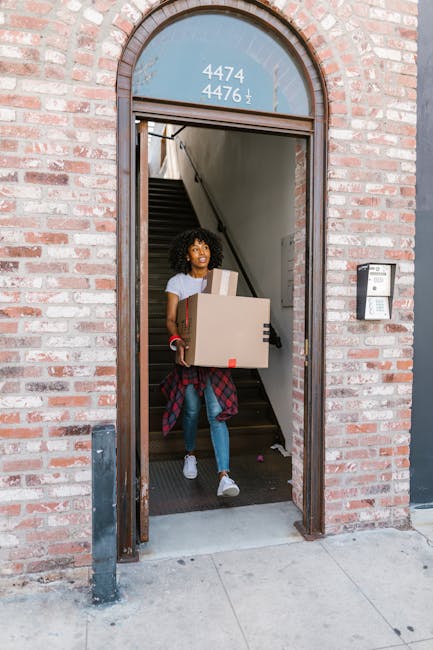
Kiln Theatre access tips for Kilburn removals: a practical local guide for smoother moving days
Moving near Kiln Theatre can be straightforward, but only if you plan the access side properly. That's the bit people underestimate. Narrow streets, loading space, busy footfall, late changes to timing, and the simple fact that one awkward doorway can slow everything down. If you're searching for Kiln Theatre access tips for Kilburn removals, you probably want the kind of advice that actually helps on the day, not vague "be organised" filler.
This guide walks through the real-world access issues you're likely to face around the theatre and the surrounding Kilburn area, how to prepare for them, what removal teams usually need from you, and how to avoid the usual last-minute scrambles. Truth be told, a calm move is often just a well-planned access route with fewer surprises.
Table of Contents
- Why Kiln Theatre access tips for Kilburn removals matters
- How Kiln Theatre access tips for Kilburn removals works
- Key benefits and practical advantages
- Who this is for and when it makes sense
- Step-by-step guidance
- Expert tips for better results
- Common mistakes to avoid
- Tools, resources and recommendations
- Law, compliance, standards, or best practice
- Options, methods, or comparison table
- Case study or real-world example
- Practical checklist
- Conclusion
- Frequently asked questions
Why Kiln Theatre access tips for Kilburn removals Matters
In a busy London neighbourhood, access is often the difference between a tidy, efficient move and a day that drags on far longer than expected. Around the Kiln Theatre area, you may be dealing with a mix of residential streets, local traffic, tight kerb space, and pedestrians who are, quite understandably, not interested in making room for a sofa.
For removals, access affects almost everything: how close the vehicle can stop, how many carrying trips are needed, whether furniture can be loaded without blocking other road users, and whether your team can keep to the schedule. If the access plan is poor, even a well-packed property can become awkward.
That's why this topic matters to anyone moving in or out of nearby flats, terraces, shared homes, or small offices. It is especially useful if you are booking a man and van Kilburn or a larger removal van Kilburn service and need to understand what the street can actually support.
A good removal day is rarely about speed alone. It's about getting the van, the building, and the timing to cooperate just enough to make the whole thing feel easy.
How Kiln Theatre access tips for Kilburn removals Works
Think of access planning as a chain. If one link is weak, the whole move slows down. The job usually starts with checking where the van can safely stop, then moves inward through building entry points, hallways, stairs, lifts, and the final loading route to the vehicle.
Near Kiln Theatre, that means paying attention to a few practical details:
- Whether there is legal loading space close enough to the property.
- Whether parking is limited or shared with other residents and visitors.
- Whether the entrance has steps, a narrow porch, or a difficult turning point.
- Whether items like wardrobes, beds, or pianos can be moved without damage to walls or flooring.
- Whether the timing of your move will clash with traffic, school runs, theatre footfall, or local parking pressure.
Most problems are not dramatic. They are small things, honestly: a door that sticks, a lift that is too small, a street that fills up quicker than expected, or a parking bay that looks free from one angle and not from another. These tiny issues add up fast.
If you want a more structured move, it helps to read up on how to make a house move less stressful and to plan your packing method with package your items and wait for us to come style preparation in mind.
Key Benefits and Practical Advantages
Good access planning does more than save time. It changes the whole mood of the move. You feel less rushed, the team can work more safely, and there is less chance of scratches, dropped items, or that awful moment when everyone stands around trying to work out how a sofa is supposed to turn.
Here are the most useful benefits:
- Fewer delays: the van can park where it needs to, so loading starts on time.
- Less physical strain: fewer carrying metres usually means fewer heavy lifts.
- Lower damage risk: a shorter, clearer route is easier on furniture and walls.
- Better coordination: everyone knows where to go and what to do.
- Cleaner pricing expectations: access issues are easier to judge beforehand, which helps avoid surprises.
If you're moving furniture, the benefits are even more obvious. A large wardrobe, dining table, or sofa is much easier to handle when the route is simple. For especially bulky items, you may find it helpful to read about furniture removals in Kilburn before you book.
For items that need specialist handling, such as instruments, the stakes are even higher. A piano move is the sort of task where access planning is not optional. In those cases, it can be worth looking at piano removals Kilburn and the related advice in safe piano moving tips.
Who This Is For and When It Makes Sense
These access tips are useful for more people than you might expect. Of course, if you live right by the theatre, they matter. But they also help if your move starts a few streets away and the route still crosses the same busy local patch.
This guide makes sense for:
- People moving from flats with stair-only access.
- Residents in converted houses with narrow hallways.
- Students moving in or out of shared accommodation.
- Small offices relocating equipment or desks.
- Anyone arranging a same-day move where timing matters more than usual.
It is also useful if you're comparing man with van Kilburn options with fuller removal services in Kilburn. A smaller crew can be ideal for lighter loads, but if access is awkward and the items are heavy, you may want a broader service setup.
And yes, it's worth thinking about time of day. Morning starts often work well because the street is less chaotic. Late afternoon can be fine too, but there's usually more pressure on parking and more unpredictable traffic. A small thing, but it matters.
Step-by-Step Guidance
If you're preparing a move near Kiln Theatre, follow this sequence. It keeps the process practical and avoids the classic "we'll sort it on the day" approach that, let's face it, rarely ages well.
- Walk the route from the property to the nearest stopping point.
Check steps, railings, awkward corners, door widths, and where the van could safely pause. - Measure the awkward items.
Sofas, wardrobes, bed frames, mattresses, and tall bookcases are usually the problem pieces, not the boxes. - Check parking expectations early.
If the space looks tight, plan for a fallback. You do not want to be figuring that out with a driver waiting behind you. - Tell the removals team about building access details.
Lift size, concierge rules, entry codes, and loading restrictions all matter. - Pack by access order.
Put essential items and first-out boxes somewhere easy to reach. Heavy or awkward items should be ready first. - Choose the right vehicle size.
Too small means extra trips. Too large can make street access harder. There's a sweet spot. - Keep the final route clear.
No loose cables, shoe piles, recycling bags, or random "just there for now" clutter in the hallway.
If you are still in the early prep stage, a few packing articles can help: strategic decluttering, packing for a successful move, and packing and boxes Kilburn resources are all handy before moving day arrives.
If access gets complicated because you need to bridge the gap between collection and delivery, the service note about delivery at the best time for you is worth bearing in mind. Timing can make a huge difference, even on a modest move.
Expert Tips for Better Results
Here's where the practical stuff pays off. These are the sort of tips that tend to save real time, not just look good in a checklist.
- Photograph the access route before the move. A quick phone photo of the front door, stairwell, or parking area can help the team understand what they're walking into.
- Reserve your "first load" items near the exit. That might be lamps, bags, light boxes, or dismantled furniture pieces.
- Remove anything that catches. Coat hooks, unsecured mirrors, protruding shelf items, and open cupboard doors can all become annoying fast.
- Use proper lifting techniques. Even one bad lift can derail the day. There's a reason experienced movers are cautious with stairs and bends.
- Have one person act as access lead. Too many people giving directions creates confusion. One calm voice works better.
If your move involves lifting heavy furniture without much help, it is smart to review solo heavy lifting safety tips and the basics of kinetic lifting. Those ideas sound technical, but they boil down to one thing: move in a way your body can actually handle.
And if you are moving a bed or mattress, the route matters even more than people think. A mattress can bend awkwardly around corners, and a bed frame can catch on a door frame in a way that feels almost rude. For that, see advice for a smooth move of your bed and mattress.
Common Mistakes to Avoid
Most access problems come from assuming the move will "just work out". Sometimes it does. Often it doesn't. Better to plan than to improvise with a van idling outside and someone holding a mattress at a strange angle. Not ideal.
- Leaving parking until the last minute. Street space in London can disappear quickly.
- Underestimating hallway width. A sofa that looks manageable in the flat can turn into a problem at the bend.
- Forgetting building rules. Some blocks have quiet hours, lift reservations, or loading guidance.
- Not confirming what will be dismantled. If a bed or table needs to come apart, make that clear early.
- Packing too late. The access route gets clogged with half-finished boxes and loose items.
- Trying to force bulky items through. Usually the item loses. Occasionally the wall does too.
There is also a bigger mistake: not checking whether your move fits the service you've booked. A quick local job may suit a man and a van Kilburn setup, while a more complex flat move might need flat removals Kilburn support. The wrong choice can make access issues feel bigger than they really are.
Tools, Resources and Recommendations
You do not need fancy equipment to manage access well. A few simple tools and habits go a long way.
- Tape measure: useful for doors, furniture depth, and lift widths.
- Phone camera: take photos of access points, parking signs, and anything awkward.
- Marker pens and labels: helps keep the load sequence sensible.
- Furniture blankets and protective wrap: good for tight hallways and stair edges.
- Strong gloves and flat shoes: not glamorous, but genuinely helpful.
For service planning, you may also find these pages useful: services overview, pricing and quotes, and insurance and safety. They help you think through the moving day as a whole, not just the access part.
If you are handling a long transition, storage can reduce pressure. A few items out of the way can make cramped access far easier. See storage in Kilburn if that suits your timeline.
Sometimes the smartest move is simply to strip the job back a little. If a sofa is too awkward for the first day, or you want to keep a few items safe while access is sorted, a temporary solution can save energy. The same goes for decluttering. Less stuff, fewer headaches. It really is that simple sometimes.
Law, Compliance, Standards, or Best Practice
For removals near a busy local landmark, best practice matters even when the move itself is informal. You should always respect parking rules, loading restrictions, residents' access, and any building instructions. If a van is stopping in a narrow street, the aim is to do it safely and with minimum obstruction.
In the UK, moving day expectations usually come down to common-sense compliance: don't block access, don't damage property, and don't create avoidable risk for pedestrians, residents, or staff. If a building has a management company or concierge, follow their instructions carefully. If a street is busy, keep the loading period efficient and communicate clearly.
Professional moving teams also work to their own operational standards around manual handling, vehicle safety, and property protection. That's where a published health and safety policy becomes reassuring, because it shows the team has a framework rather than winging it. The same goes for terms and conditions and accessibility information, especially where building access or customer needs are unusual.
If you're comparing providers, it also helps to understand how a business handles payment and security, and what happens if something goes wrong. Read the complaints procedure before booking, just to know where you stand. It's not pessimistic. It's sensible.
Options, Methods, or Comparison Table
Different access setups suit different moves. Here's a simple comparison to help you decide what's realistic.
| Move type | Best for | Access demands | Typical challenge |
|---|---|---|---|
| Man and van | Smaller loads, short local moves | Moderate | Parking and carrying distance |
| Full removal van | Larger homes, more furniture | Higher | Need for stronger route planning and loading space |
| Flat removals service | Stairs, lifts, tight communal areas | High | Building restrictions and awkward internal routes |
| Same-day move | Urgent, time-sensitive moves | Very high | Less room for mistakes and less time to resolve access issues |
If you are still weighing up your options, a quick look at removal companies in Kilburn can help you compare capability, while removals Kilburn gives you the broader picture of what a complete service can cover.
For genuinely urgent jobs, same-day removals Kilburn may be the right fit, but only if access is already understood. Same-day and unclear access do not get along. They just don't.
Case Study or Real-World Example
Here's a realistic example. A couple moving from a top-floor flat near Kiln Theatre had two large sofas, a dismantled bed, a glass dining table, and several boxes of books. On paper, it looked manageable. In practice, the building entrance was narrow, the street had limited stopping space, and the stairwell had a tight turn halfway up.
They avoided trouble by doing three simple things early:
- They took photos of the entrance, stairs, and road space the day before.
- They flagged the glass table and sofa dimensions in advance.
- They kept the hallway clear and placed labelled boxes near the exit the night before.
The move still took effort, of course. Moves always do. But because the access route had been thought through, the team didn't waste time guessing. No last-minute disassembly. No repeated trips to "just check the street". No panicked discussion about whether the sofa was going to fit. That sort of calm makes a huge difference.
If the same couple had also needed to store a few items, or delay delivery to their new place, a combination of storage in Kilburn and flexible delivery timing would have made the whole thing simpler again. Sometimes the best access plan is the one that removes pressure, not just the one that squeezes everything into one day.
Practical Checklist
Use this list before moving day. It's short enough to be useful and detailed enough to catch the usual issues.
- Measure doorways, stair turns, and any narrow hallway sections.
- Confirm where the van can legally stop.
- Check for time restrictions, resident bays, or building rules.
- Tell the movers about lifts, access codes, and entry controls.
- Identify any bulky, fragile, or high-value items early.
- Keep hallways, porches, and entrances clear.
- Label boxes by room and priority.
- Set aside tools for dismantling or reassembly if needed.
- Plan a backup option if parking is tight.
- Have a phone charged and available on the day.
If packing still feels messy, a last review of moveout cleaning and storing your sofa long-term can help you deal with the things you don't want to trip over later. Small details. Big difference.
Get a free quote today and see how much you can save.
Conclusion
Kiln Theatre access tips for Kilburn removals are really about one thing: removing friction before it gets a chance to become expensive, tiring, or awkward. If you understand the route, the parking, the building layout, and the timing, your move becomes much easier to manage. That's true whether you are shifting a few boxes or an entire flat.
The best approach is simple. Walk the access route, measure what matters, communicate clearly, and choose the right level of service for the job. If you do that, you'll notice the move starts feeling less like a scramble and more like a plan. And that is a very good place to be.
When in doubt, keep it calm, keep it practical, and give yourself a little room to breathe. You'll be glad you did.
Frequently Asked Questions
What are Kiln Theatre access tips for Kilburn removals?
They are practical steps for planning parking, loading, walking routes, and building entry near the Kiln Theatre area so your removal day runs more smoothly.
Why does access matter so much on moving day?
Access affects how close the van can park, how far items must be carried, and how safely furniture can be moved. Poor access usually means more time and more strain.
Should I measure my furniture before booking a removal service?
Yes. Measuring bulky items like sofas, beds, wardrobes, and tables helps the movers judge whether the route is workable and whether dismantling will be needed.
Is a man and van enough for a move near Kiln Theatre?
Sometimes, yes. For smaller loads and straightforward access, a man and van service can be a good fit. If the building is awkward or the load is heavy, a fuller removals service may be better.
What if parking near my property is tight?
Tell the removals team as early as possible. They can help plan a safe stopping point, reduce waiting time, and decide whether a different vehicle size would work better.
Do I need to worry about lifts and stairwells?
Definitely. Lifts can be too small for large furniture, and narrow stairwells can create turning problems. It is best to check both before the move.
How can I make moving day less stressful?
Pack early, keep access routes clear, label boxes properly, and share access details with the movers in advance. A bit of preparation goes a long way.
What should I tell the removals company before the move?
Share parking details, floor level, lift access, entry codes, furniture dimensions, and any obstacles like tight hallways or awkward turns.
Are same-day removals suitable for access-heavy jobs?
They can be, but only if the access situation is already understood. Same-day moves leave less time for surprises, so clear planning is even more important.
What items usually cause the most access problems?
Sofas, wardrobes, bed frames, mattresses, dining tables, and pianos are the usual troublemakers. They are the pieces most likely to catch, bend, or need dismantling.
Can storage help if access is difficult?
Yes. Temporary storage can reduce pressure by letting you split the move into stages, which is useful if the property layout or timing is awkward.
How do I know which service is right for my move?
Think about how much you're moving, how difficult the access is, and whether you need help with packing, loading, transport, or storage. If you are unsure, compare service options before booking.